Law Firms: Understanding Their Role, Services, and Importance in Modern Society

Law firms play a crucial role in maintaining order, resolving disputes, and ensuring that individuals and organizations operate within the boundaries of established legal systems. They provide professional legal guidance, representation, and strategic advice across a wide range of legal matters, helping clients navigate complex regulations and procedures. In an increasingly regulated world, law firms have become essential institutions that support justice, protect rights, and facilitate fair outcomes in both personal and commercial contexts.

law firm

At their foundation, law firms are structured groups of legal professionals who specialize in different areas of law. These professionals work together to provide comprehensive legal services that address the diverse needs of clients. Whether dealing with civil disputes, corporate transactions, family matters, or criminal defense, law firms bring together expertise and experience to ensure that legal issues are handled effectively and professionally. Their work often requires deep analytical thinking, strong communication skills, and a thorough understanding of evolving legal frameworks.

One of the primary functions of law firms is to offer legal representation. This involves acting on behalf of clients in negotiations, court proceedings, and administrative processes. Legal representation is essential because most individuals and businesses do not have the technical knowledge required to interpret laws, prepare legal documents, or present arguments in formal legal settings. Law firms bridge this gap by ensuring that clients’ rights and interests are properly defended and advocated for at every stage of a legal matter.

Another important function of law firms is providing legal consultation and advisory services. Clients often seek legal advice before making decisions that may have legal implications, such as entering contracts, starting businesses, or handling disputes. Law firms analyze situations, identify potential risks, and offer guidance on the best course of action. This proactive approach helps clients avoid legal complications and make informed decisions that align with their goals while remaining compliant with applicable laws.

Law firms typically specialize in multiple practice areas to meet diverse client needs. These areas may include corporate law, criminal law, family law, property law, labor law, and intellectual property law. Each specialization requires specific knowledge and expertise, allowing law firms to provide targeted solutions for different legal challenges. By organizing services into practice areas, law firms can allocate resources efficiently and ensure that clients receive assistance from professionals who understand the specific nature of their cases.

Several key services commonly offered by law firms include:

  1. Legal representation in court proceedings and dispute resolution.
  2. Contract drafting, review, and negotiation support.
  3. Legal consultation for personal and business matters.
  4. Compliance guidance for regulatory and statutory requirements.
  5. Mediation and arbitration services for conflict resolution.

These services highlight the broad scope of work handled by law firms and their importance in both everyday and complex legal situations.

Corporate law services represent a significant portion of many law firms’ work. Businesses rely on legal professionals to assist with company formation, mergers, acquisitions, contract management, and regulatory compliance. In the corporate environment, legal issues can have substantial financial and operational consequences, making accurate legal guidance essential. Law firms help organizations minimize risk, protect assets, and ensure that business activities comply with applicable laws and industry standards.

Family law is another important area handled by law firms. These cases often involve sensitive and personal matters such as marriage, divorce, child custody, adoption, and inheritance. Legal professionals working in this field must balance legal expertise with empathy and discretion, as these cases frequently involve emotional stress for clients. Law firms provide structured support during these processes, ensuring that legal rights are protected while helping families reach fair and practical resolutions.

Criminal law services focus on defending individuals or organizations accused of committing offenses. Law firms in this area work to ensure that clients receive fair treatment under the law and that their rights are upheld throughout legal proceedings. This may involve gathering evidence, building defense strategies, negotiating plea agreements, or representing clients in court. Criminal defense requires a strong understanding of legal procedures and the ability to respond effectively under pressure.

Property and real estate law is another key area where law firms provide valuable assistance. Transactions involving property ownership, leasing, and development often involve complex legal documentation and regulatory requirements. Law firms help clients review contracts, resolve disputes, and ensure that property transactions are legally sound. Their involvement reduces the risk of future disputes and ensures that ownership rights are clearly established and protected.

Law firms also play a significant role in dispute resolution outside of traditional court settings. Alternative dispute resolution methods such as mediation and arbitration are increasingly used to resolve conflicts more efficiently and cost-effectively. These methods allow parties to reach agreements without prolonged litigation, saving time and resources. Law firms facilitate these processes by acting as neutral advisors or representatives, helping clients achieve fair outcomes through negotiation and structured dialogue.

Several benefits highlight the importance of working with law firms:

  1. Access to professional legal expertise and knowledge.
  2. Protection of legal rights and interests in complex situations.
  3. Improved decision-making through informed legal advice.
  4. Efficient handling of disputes and legal procedures.
  5. Reduced risk of legal errors and compliance issues.

These advantages demonstrate why law firms are essential for both individuals and businesses navigating legal systems.

Ethics and professionalism are central to the operation of law firms. Legal professionals are expected to adhere to strict ethical standards, including confidentiality, honesty, and integrity. These principles ensure that clients can trust their legal representatives and that justice is upheld throughout legal processes. Law firms are also subject to regulatory oversight, which helps maintain accountability and quality within the legal profession.

Technology has significantly transformed how law firms operate in recent years. Digital tools are now widely used for legal research, document management, case tracking, and client communication. These advancements improve efficiency, reduce administrative burdens, and allow legal professionals to focus more on strategy and client service. Technology also enables law firms to handle larger volumes of cases while maintaining accuracy and responsiveness.

Client relationships are a fundamental aspect of law firm operations. Effective communication, transparency, and responsiveness are essential for building trust and ensuring client satisfaction. Law firms must understand client goals, explain legal processes clearly, and provide regular updates on case progress. Strong client relationships often lead to better outcomes and long-term professional partnerships.

In conclusion, law firms are essential institutions that provide legal support, representation, and guidance across a wide range of areas. Their expertise helps individuals and organizations navigate complex legal systems, resolve disputes, and make informed decisions. Through services such as legal consultation, litigation, corporate support, and dispute resolution, law firms contribute significantly to justice, stability, and fairness in society. As legal systems continue to evolve, the role of law firms remains vital in ensuring that rights are protected and legal processes are carried out effectively and ethically.

Is Water Damage Restoration Worth It?

Water damage is one of the most disruptive and costly issues a property owner can face, often appearing suddenly and escalating faster than expected. Whether caused by a burst pipe, a leaking roof, an appliance failure, an overflowing fixture, or unexpected flooding, water intrusion does not remain contained for long. It spreads into flooring systems, walls, insulation, and structural components, often affecting areas that are not immediately visible. When faced with this kind of situation, many property owners naturally ask whether professional water damage restoration is truly worth the cost and effort.

The answer, in most cases, is yes. Water damage restoration is not just a cleanup service but a structured recovery process designed to protect property value, prevent long-term structural issues, and reduce health risks. While some may initially consider handling the damage independently, water behaves in ways that make full restoration difficult without specialized tools and expertise. The value of restoration becomes clearer when considering what happens if moisture is left untreated or improperly managed. Gain more insights by visiting https://www.socomslc.com/.

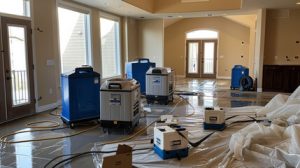
water damage restoration

To fully understand whether water damage restoration is worth it, it is necessary to look beyond the immediate expense and consider long-term consequences, hidden risks, and the actual benefits of professional intervention.

Understanding the True Impact of Water Damage

Water damage is rarely limited to what is visible on the surface. While standing water or visible stains may appear manageable, moisture typically spreads much further into a structure. Drywall absorbs water quickly, wood framing swells and weakens, insulation loses effectiveness, and flooring materials can become permanently damaged if not dried correctly.

What makes water damage particularly challenging is its ability to remain hidden. Moisture trapped behind walls or under flooring can continue to spread and degrade materials long after the initial event. This hidden damage is often the root cause of long-term structural issues and mold growth.

Without proper restoration, water damage can lead to:

  1. Structural weakening of building materials.
  2. Mold and microbial growth within 24–48 hours in some conditions.
  3. Persistent odors caused by moisture and contamination.
  4. Electrical hazards from compromised systems.
  5. Increased repair costs over time.
  6. Reduced property value and marketability.

These risks highlight why water damage should never be treated as a surface-level issue.

Why Water Damage Gets Worse Without Professional Restoration

One of the most important considerations when evaluating whether water damage restoration is worth it is how quickly conditions can deteriorate. Water does not remain static inside a building; it continues to spread through absorption, evaporation, and condensation cycles.

As moisture spreads, it reaches deeper structural layers that are more difficult to dry. Materials such as wood framing and insulation retain moisture for extended periods, creating ideal conditions for mold growth and decay. Even if surfaces appear dry, hidden dampness may remain.

Humidity levels inside the property also increase after a water event, slowing down natural drying and allowing further absorption into materials. Over time, this can lead to warping, swelling, and weakening of structural components.

Without professional intervention, small water incidents can evolve into major reconstruction projects. This progression is one of the strongest arguments in favor of restoration services.

What Water Damage Restoration Actually Includes

Water damage restoration is often misunderstood as simple water removal, but the process is significantly more comprehensive. It involves multiple stages designed to address both visible and hidden damage, ensuring the property is fully stabilized.

A typical restoration process includes:

  1. Emergency assessment and inspection to determine the extent of damage.
  2. Water extraction to remove standing moisture.
  3. Moisture detection to locate hidden water in structural materials.
  4. Structural drying using industrial equipment.
  5. Dehumidification to control indoor humidity levels.
  6. Cleaning and sanitization of affected areas.
  7. Repairs and reconstruction of damaged materials.

Each stage is necessary to ensure that water is not only removed but that the environment is fully restored to safe and stable conditions. Skipping any of these steps increases the likelihood of recurring issues.

The Financial Perspective: Cost vs Long-Term Value

At first glance, water damage restoration may appear expensive, especially when the damage seems limited or localized. However, evaluating whether it is worth it requires a long-term financial perspective.

Untreated or improperly handled water damage often leads to escalating costs. For example, moisture trapped in structural materials can eventually require full replacement of walls, flooring systems, and insulation. Mold remediation, once it develops, can significantly increase total repair expenses.

Restoration, on the other hand, aims to minimize damage early, reducing the need for extensive reconstruction later. When viewed this way, restoration is often a cost-saving measure rather than an expense.

The financial benefits of timely restoration include:

  1. Reduced structural repair costs.
  2. Prevention of mold remediation expenses.
  3. Preservation of salvageable materials.
  4. Lower risk of long-term maintenance issues.
  5. Protection of the overall property value.

In many cases, the cost of restoration is significantly lower than the cost of repairing compounded damage later.

Health and Safety Considerations

Beyond financial implications, water damage poses potential health risks that make restoration especially important. Moist environments can encourage mold growth, which may affect indoor air quality and contribute to respiratory discomfort or allergic reactions.

Contaminated water sources, such as sewage backups or external flooding, introduce additional health hazards, including bacteria and harmful microorganisms. Even clean water can become unsafe if it remains stagnant and interacts with building materials over time.

Professional restoration helps mitigate these risks through proper drying, cleaning, and sanitization. This creates a safer indoor environment by addressing contamination at its source rather than simply masking symptoms.

Key health-related benefits of restoration include:

  1. Improved indoor air quality.
  2. Reduction of mold-related risks.
  3. Elimination of bacteria and contaminants.
  4. Prevention of long-term moisture-related health issues.
  5. Safer living or working conditions.

For households with children, elderly occupants, or individuals with respiratory sensitivities, these benefits are particularly significant.

Structural Protection and Property Longevity

One of the most important reasons water damage restoration is worth it is its role in protecting structural integrity. Water can weaken load-bearing materials, compromise foundations, and degrade essential building components if left untreated.

Wood framing may begin to rot, metal components can corrode, and drywall can lose structural stability. These issues may not be immediately visible but can lead to serious long-term damage.

Restoration ensures that affected materials are properly dried and evaluated for damage. In cases where replacement is necessary, it is done strategically to maintain structural safety and stability.

This proactive approach helps extend the lifespan of the property and prevents minor water incidents from turning into major structural failures.

Emotional and Practical Value of Restoration

Water damage is not only a financial or structural issue; it can also be emotionally stressful. Dealing with unexpected property damage disrupts daily life and creates uncertainty about safety and habitability.

Professional restoration provides a structured response that helps restore normalcy more quickly. Knowing that trained specialists are addressing the issue reduces stress and allows property owners to focus on other priorities.

Additionally, restoration helps salvage personal belongings that might otherwise be lost. Furniture, documents, clothing, and sentimental items can often be recovered depending on the severity of the damage.

This combination of emotional relief and practical recovery adds significant value to the restoration process.

Situations Where Restoration Is Especially Worth It

While water damage restoration is generally beneficial, there are certain situations where it becomes particularly critical. These include cases where moisture exposure is extensive or where delays could lead to rapid deterioration.

Situations where restoration is highly recommended include:

  1. Flooding affecting multiple rooms or floors.
  2. Burst pipes are causing significant water release.
  3. Roof leaks affecting ceilings and insulation.
  4. Sewage or contaminated water exposure.
  5. Water trapped in walls or flooring systems.
  6. Any scenario involving prolonged moisture exposure.

In these cases, professional intervention is essential to prevent long-term damage and ensure safety.

When Some Property Owners Hesitate

Despite its benefits, some property owners hesitate to invest in restoration due to perceived cost or the belief that damage is minor enough to handle independently. While minor spills or very small leaks may be manageable, larger water events often involve hidden damage that is not visible without proper equipment.

DIY approaches may address surface moisture but often fail to detect trapped water. This can lead to incomplete drying, which increases the risk of mold growth and structural issues later.

In most cases, the risk of incomplete restoration outweighs the initial savings of avoiding professional services.

So, is water damage restoration worth it? In most situations, the answer is clearly yes. Water damage is not a surface-level issue, and its effects often extend far beyond what is immediately visible. Without proper restoration, moisture can lead to structural deterioration, mold growth, health risks, and significantly higher long-term repair costs.

Water damage restoration provides a comprehensive solution that includes water removal, drying, cleaning, sanitization, and repair. It protects both the physical structure and the long-term value of the property while also ensuring a safer and healthier indoor environment.

When evaluated from a financial, structural, and health perspective, restoration is not simply a reactive expense but a proactive investment in property preservation. Acting quickly and relying on proper restoration methods significantly improves outcomes and reduces long-term risks, making it a worthwhile and often essential step after any water-related incident.

Commercial Water Damage Restoration: Minimizing Downtime for Businesses

Water damage is one of the most disruptive events a business can experience. Whether caused by a burst pipe, roof leak, plumbing failure, appliance malfunction, sprinkler system issue, or severe weather event, water intrusion can bring normal operations to an abrupt halt. Unlike many other property-related problems that develop gradually over time, water damage can escalate within minutes, affecting inventory, equipment, documents, infrastructure, and employee safety. For businesses that rely on uninterrupted operations, every hour of downtime can result in lost revenue, decreased productivity, customer dissatisfaction, and long-term financial consequences.

water damage

Commercial properties face unique challenges when dealing with water damage. Offices, retail spaces, warehouses, healthcare facilities, educational institutions, and industrial buildings often contain valuable assets and complex systems that require specialized Restore Draper strategies. The goal is not only to repair the damage but also to restore business operations as quickly and safely as possible. This is where commercial water damage restoration plays a critical role. Through rapid response, advanced drying techniques, and comprehensive recovery planning, restoration professionals help businesses minimize downtime and reduce the overall impact of water-related disasters.

Understanding the importance of commercial water damage restoration can help business owners, facility managers, and property stakeholders make informed decisions when unexpected water emergencies occur. The faster the response and restoration process begins, the greater the opportunity to protect assets, preserve operations, and avoid costly disruptions.

Why Water Damage Is a Major Threat to Businesses

Water damage affects commercial properties differently than residential buildings because business environments often contain specialized equipment, sensitive records, inventory, technology infrastructure, and operational systems that are essential for daily activities. When water enters these environments, the consequences extend beyond physical damage to walls and flooring.

Even relatively minor water incidents can disrupt workflows, limit access to critical areas, and create safety concerns for employees and customers. In many cases, businesses must temporarily close affected spaces until conditions are deemed safe and functional. This interruption can lead to lost sales, delayed projects, missed deadlines, and reputational challenges that continue long after the visible damage has been repaired.

Additionally, water damage frequently affects interconnected systems. Electrical networks, communication systems, HVAC equipment, and storage areas may all become vulnerable once moisture is introduced into the environment. The complexity of commercial facilities often makes restoration more challenging and time-sensitive than many people realize.

The True Cost of Business Downtime

When discussing water damage, many property owners initially focus on repair expenses. While repair costs can certainly be significant, business downtime often represents an even greater financial burden.

Every day that operations are interrupted can result in multiple forms of loss, including:

  1. Reduced revenue from suspended operations.
  2. Lost productivity among employees.
  3. Delayed customer service and fulfillment.
  4. Potential damage to customer relationships.
  5. Increased recovery and operational expenses.
  6. Disruptions to supply chain activities.

For some organizations, even a brief interruption can have lasting consequences. Customers may seek alternatives, projects may fall behind schedule, and operational efficiency can suffer. This is why minimizing downtime is often considered the primary objective of commercial water damage restoration efforts.

Rapid restoration helps businesses resume normal activities sooner, reducing both direct and indirect financial losses associated with water-related incidents.

Common Causes of Commercial Water Damage

Commercial water damage can result from a wide variety of sources. Understanding these risks allows business owners to implement preventive measures while preparing for potential emergencies.

Some of the most common causes include:

  1. Burst or leaking water supply lines.
  2. Plumbing system failures.
  3. Roof leaks and drainage issues.
  4. HVAC system malfunctions.
  5. Appliance and equipment failures.
  6. Sprinkler system accidents.
  7. Storm-related water intrusion.
  8. Sewer backups and drainage problems.

Each scenario presents unique restoration challenges. The source of the water, the amount of moisture involved, and the duration of exposure all influence the restoration strategy required to return the property to operational condition.

The Importance of Immediate Response

Time is one of the most critical factors in commercial water damage restoration. Water begins causing damage almost immediately after entering a building. Within hours, materials can absorb moisture, flooring may begin to deteriorate, and sensitive equipment can become compromised.

As water remains present, the risk of secondary damage increases significantly. Moisture can spread through walls, ceilings, insulation, and structural components, affecting areas far beyond the original source of the incident.

A rapid response provides several important advantages:

  1. Limiting the spread of water throughout the property.
  2. Reducing damage to equipment and inventory.
  3. Lowering overall restoration costs.
  4. Preventing mold growth and contamination.
  5. Accelerating business recovery timelines.

Prompt action often determines whether a business experiences a temporary inconvenience or a prolonged operational disruption.

The Commercial Water Damage Restoration Process

Commercial restoration involves a systematic approach designed to stabilize conditions, remove water, dry affected areas, and restore the property as efficiently as possible.

The first phase typically involves a thorough assessment of the damage. Restoration professionals identify the source of the water, evaluate affected materials, and determine the scope of work required. This assessment forms the foundation for the recovery plan.

Water extraction follows as a priority. Removing standing water quickly helps prevent further absorption into building materials and furnishings. Industrial-grade extraction equipment is commonly used to remove large volumes of water efficiently.

Once extraction is complete, the drying and dehumidification process begins. Specialized equipment removes moisture from the air and affected surfaces, helping to restore appropriate environmental conditions throughout the facility.

Cleaning and sanitation procedures are then performed as necessary. Depending on the source of the water, contamination concerns may require additional treatment to ensure a safe environment for occupants.

The final stage involves repairs and restoration, which may include replacing damaged materials, restoring finishes, and ensuring all affected systems are functioning properly before operations fully resume.

Protecting Valuable Equipment and Technology

Modern businesses rely heavily on technology and specialized equipment. Computers, servers, telecommunications systems, manufacturing equipment, and electronic devices are often among the most vulnerable assets during water damage incidents.

Even limited exposure to moisture can result in equipment failure, data loss, and operational disruptions. For this reason, protecting technology infrastructure is a major focus during commercial restoration projects.

Restoration teams frequently work to prioritize:

  1. Rapid removal of water from equipment areas.
  2. Moisture monitoring around sensitive systems.
  3. Protection of electronics from further exposure.
  4. Coordination with technology specialists when necessary.

The faster equipment can be protected and assessed, the greater the likelihood of reducing operational interruptions and avoiding expensive replacement costs.

Preventing Mold Growth and Secondary Damage

One of the most significant concerns following water damage is mold growth. Moisture creates conditions that can support microbial activity, particularly when materials remain wet for extended periods.

Mold can spread rapidly and affect indoor air quality, employee comfort, and building safety. In commercial environments, mold-related concerns may also create regulatory and compliance challenges depending on the nature of the business.

Preventing mold growth requires:

  1. Rapid water extraction.
  2. Thorough drying procedures.
  3. Moisture monitoring and verification.
  4. Removal of unsalvageable materials when necessary.

Addressing moisture issues promptly is essential for minimizing secondary damage and ensuring a healthy work environment.

Business Continuity During Restoration

One of the defining characteristics of commercial water damage restoration is the emphasis on business continuity. Unlike residential restoration, where temporary relocation may be feasible, businesses often need to maintain at least partial operations during recovery.

Restoration professionals frequently develop strategies that allow portions of a facility to remain operational while work is completed in affected areas. This phased approach can significantly reduce downtime and help preserve productivity.

Business continuity planning may involve:

  1. Isolating damaged areas.
  2. Scheduling restoration during off-hours.
  3. Prioritizing critical operational spaces.
  4. Coordinating closely with management teams.

By aligning restoration activities with business needs, companies can often continue serving customers while recovery efforts are underway.

The Role of Emergency Preparedness

While no business can completely eliminate the risk of water damage, preparation can significantly improve outcomes when emergencies occur.

A comprehensive emergency preparedness plan should include clear procedures for responding to water-related incidents. Employees should know whom to contact, how to shut off water sources when appropriate, and how to report damage quickly.

Important preparedness measures include:

  1. Regular inspection of plumbing systems.
  2. Roof and drainage maintenance.
  3. Routine HVAC evaluations.
  4. Emergency response planning.
  5. Staff training and awareness programs.

Businesses that prepare in advance are often able to respond more effectively, reducing both damage severity and recovery time.

Long-Term Benefits of Professional Restoration

Professional commercial water damage restoration offers benefits that extend beyond immediate recovery. Thorough restoration helps preserve the value of the property, protect critical assets, and reduce the risk of recurring problems.

Proper moisture removal and restoration techniques help ensure that hidden damage does not remain within walls, flooring systems, or structural components. This comprehensive approach supports long-term building performance while minimizing future maintenance concerns.

Businesses that invest in professional restoration often experience improved recovery outcomes, faster return-to-service timelines, and greater confidence that affected areas have been restored safely and effectively.

Conclusion

Commercial water damage can have devastating consequences for businesses, affecting property, equipment, employees, customers, and overall profitability. Because every hour of downtime matters, rapid response and effective restoration are essential for minimizing operational disruptions and protecting valuable assets.

Commercial water damage restoration is about more than repairing physical damage—it is about helping businesses recover quickly, maintain continuity, and return to normal operations with minimal interruption. Through prompt assessment, water extraction, drying, sanitation, and strategic restoration planning, businesses can significantly reduce the financial and operational impact of water-related emergencies.

By understanding the importance of professional restoration services and implementing proactive preparedness measures, business owners can better protect their organizations from one of the most disruptive challenges a commercial property can face. When water damage occurs, acting quickly and partnering with experienced restoration professionals can make the difference between a brief setback and a prolonged business interruption.